

National Sport: TFFF Review

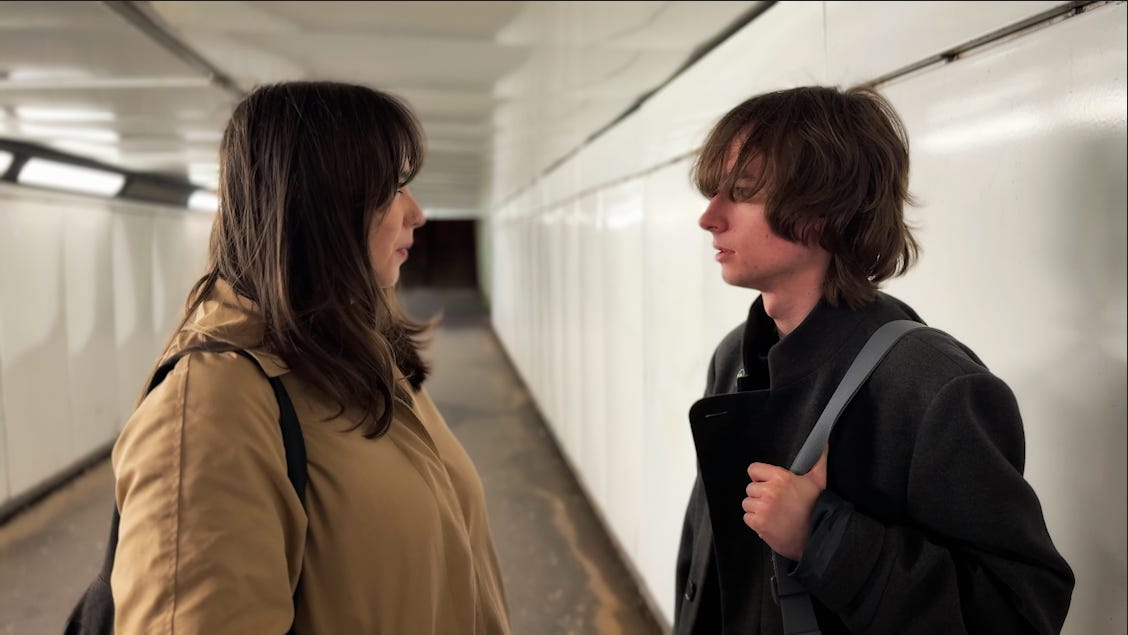
The Final Film Festival took place this past weekend in venues across London, showcasing the city’s independent circuit with an extensive programme of over 50 films.
Last night, we hosted the Q&A for Patrick Wang’s masterful new film, A. Rimbaud.
We were also invited to launch our latest issue, Totally Spies. Thanks to our lively crowd at The Castle Cinema, who were gamely subjected to The Fastest Guitar Alive. We don’t think anyone has completed the crossword yet.
There will be another chance to pick up a copy of the magazine as we take the issue on tour to Nottingham. Join us on 1st September at The Carousel, where we will be screening The Mole Agent and chatting spies alongside Rambling Cinema.
The Final Film Festival also included an “In Competition” strand*, which aimed to spotlight features by exciting local filmmakers, alongside work from around the globe which fits the festival’s DIY ethos.
This week, Cinema Year Zero will publish reviews of all of these films. We begin with Rose Dymock on the breakup rom-com National Sport, which picked up the Best Actor prize for its star, Jude Leese.
*Full Disclosure - our managing editor served on the competition jury; this did not influence the writing or editorial stance of these reviews.
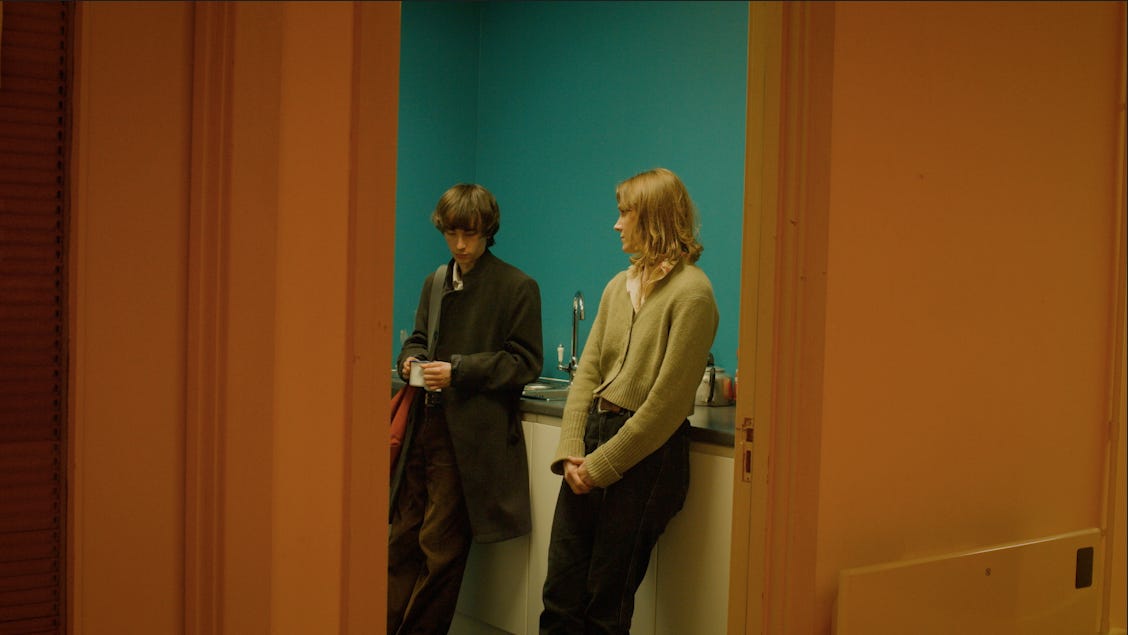
National Sport (Will North, UK, 2026)
In the last year, much has been written about the “Gen Z stare” - the blank, expressionless gaze that members of the generation born between 1997 and 2012 are reportedly adopting in workplaces, restaurants and homes across the world. From the vantage point of the 30+ age range, one wonders if they are eschewing the conventional norms of basic politeness, refusing to adhere to a society that demands an enthusiastic sheen over every interaction? Or is it the consequences of a generation raised online, their formative years stymied by the COVID pandemic, raised with a fear of being labelled as cringe?
That Gen Z malaise is seeped into William North’s National Sport, which follows Ian (Jude Leese) who professionally and personally spends his days waiting and watching things happening for other people. His girlfriend Anna (Laoise Crossan) is about to move to Australia, and the slow ending of their relationship is becoming increasingly obvious - yet he is unable to truly confront it. He works as a professional queuer, and it’s here he finds refuge in these little pockets of other people’s lives - clients range from a Steven Bartlett-esqe businessman, whose money-making masterplan is dropshipping indestructible phone cases from China, to an enthusiastically wholesome cinema owner who just wants a present for her nephew. Leese captures Ian’s seeming inability to display an enthusiasm for any aspect of his life - his shoulders permanently hunched, eyes always looking off into the middle distance every time the topic of Australia comes up, a monosyllabic “don’t know” is his most repeated line.
North has made a film that exists in the in-between spaces of London. As Ian traverses the echoing back offices of a soon-to-be-restored 1920s cinema and the dark living rooms and kitchens of a crowded flatshare, natural light streams in from the windows but the backlight shrouds every face in shadow. Anna tries to dig down into Ian’s reluctance to start writing - the only thing he possesses any passion for - we are left with many visual clues as to their emotions, with their faces obscured by the lack of light. It is the only frustration in her voice and his flat responses that gives the audience an indication of how they feel - reflecting how Ian is living a life that is always several steps removed from emotion.
The idea that life is happening to other people, that Ian is simply a conduit for other people to achieve that modern capitalist ideal of “buying stuff [without]... public interaction”, the treadmill-like existence of constantly moving from client to client, is cleverly shown. A fisheye lens captures Ian climbing two flights of stairs that moves from left to right in four sections across the screen. And then we see him again, climbing the same stairs over and over again. It brings to mind the staircase scene in October: Ten Days That Shook the World (1928), this sense of a grinding, endless climb with the promise of progress - answering at last the question of what if Sergei Eisenstein had access to a Ring doorbell.
If National Sport captures the state of 2020s Britain, it isn’t a particularly positive portrayal. It’s a nation of aimless wanderers, constantly searching for better - whether that’s a better life in another country, an effortless and deeply flawed get-rich-quick scheme, or the newest viral food craze. It is only by unironically displaying emotions, seeking out the difficult conversations, or dealing with the inherently cringe desire to create and put yourself out there that we will be able to be happy. Embrace it, Gen Z. Rose Dymock