

Plane Film: TFFF Review

Welcome back to our coverage of The Final Film Festival “In Competition”.
Today, Bethan Ingman boards Plane Film, which won the inaugural “Final d’Or” prize for best film.
If you missed our “Totally Spies” magazine launch, there will be another chance to pick up a copy on 1st September at The Carousel, where we will be screening The Mole Agent.
Then on 4th September, we are back at The Cinema Museum for the penultimate edition of NOT BY LYNCH: Under The Silver Lake. There might just be a few copies of the issue available there too.
Plane Film (Orla Smith, UK, 2026)
In his interview with The 1975 frontman Matty Healy, Caveh Zahedi points to an ethos that defines his cinematic corpus when he says, “No one knows what anything leads to… that is just the truth.” In Zahedi’s films, control over what is documented balances on a thin tightrope which strains against his directorial weight. What begins with the intent to prove God’s existence becomes, in I Don’t Hate Las Vegas Anymore (1994), an interrogative hour where Zahedi cannot help but take the film’s reins back into his own safe hands. To do this, he tries to persuade his father and half-brother to take ecstasy with him. His films document the strange predilection to exert control over situations when filming them, even when you don’t necessarily mean to.
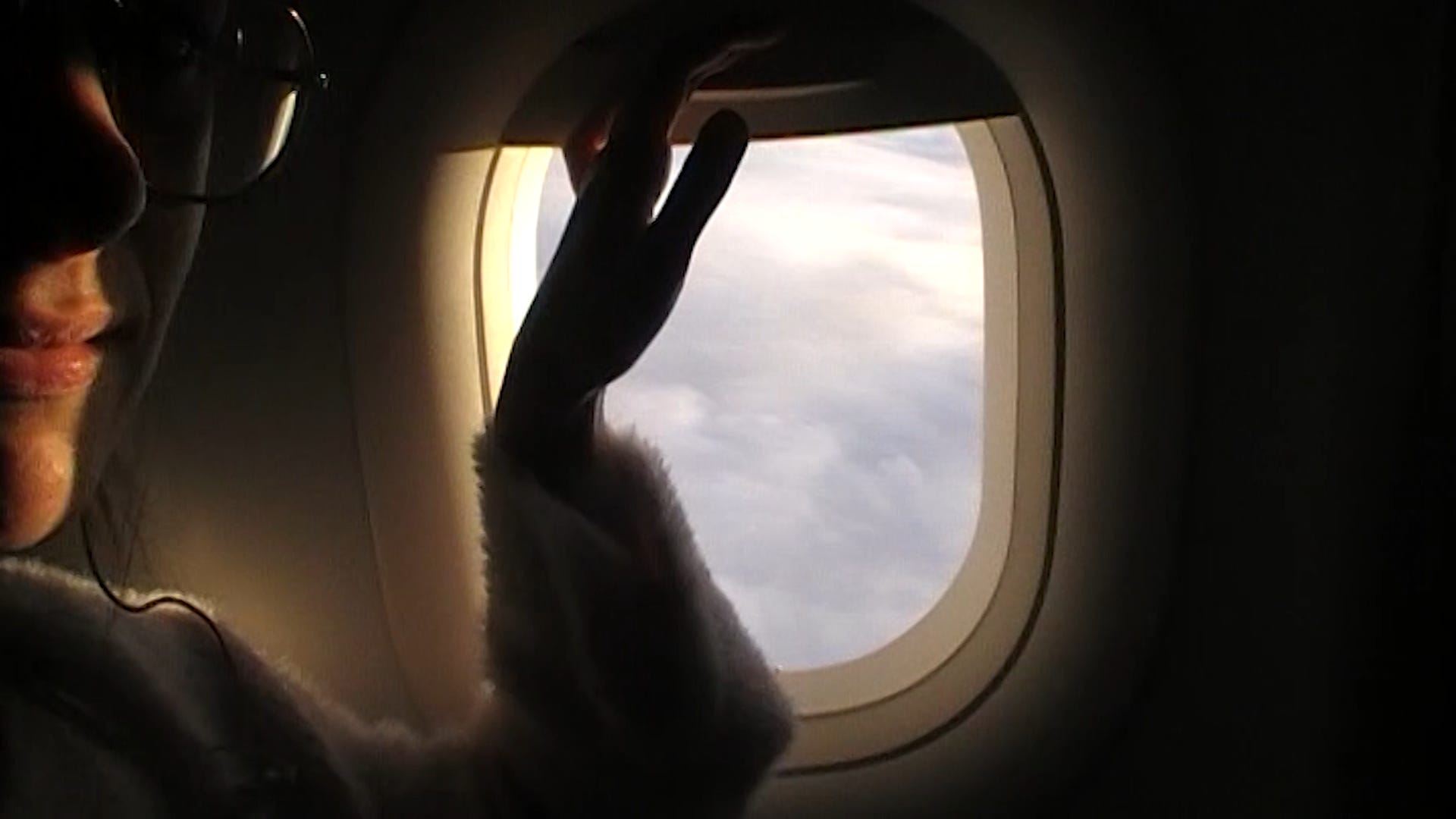
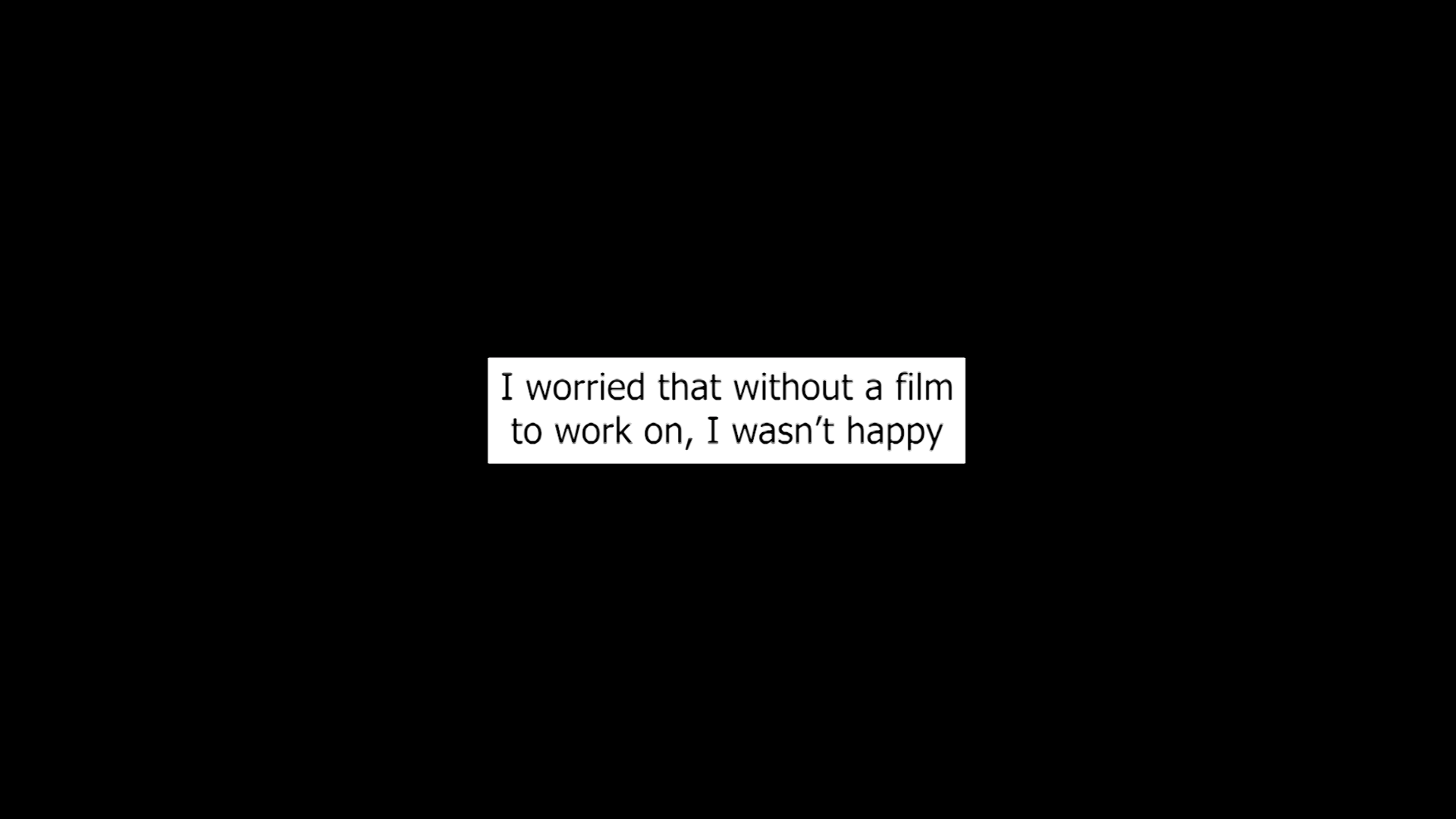
Orla Smith’s Plane Film takes this impulse to heart. The film follows Smith’s attempt to overcome her fear of flying as she and her friend Kel document their journey to Porto. Before, during, and after her flight, Smith brandishes her camera as a weapon against her anxiety. Filming her everyday life with handheld, low quality and often uncomfortably close commercial-grade cameras, Plane Film asks the question—can vlogging be an undiscovered cure for panic attacks? But after successfully proving this theory, her carefully laid plans start to fracture and the film begins to spiral out of her control.
Smith further incorporates audience responses to her earlier documentary Tube Film (2025), which stem from an impetus to exert authority (here, Zahedi’s influence is clear, and his cameo appearance is telling). She responds to comments that say they “don’t know enough about you at the beginning” and need to “see what is really going on inside” to truly connect to the film. As Smith infers, the demand for more vulnerability indicates their compulsion to control the version of her being represented. In response, Smith peppers the runtime with daily pictures of her life during 2025. These are an indecipherable assortment of spaces and objects abstracted from the audience. They hold more meaning for Smith than for us. She resists a performance of vulnerability that she may not feel—allowing the film to sit in ambivalence rather than transgressing for the sake of it.
That Plane Film resists an authorial dictation upon vulnerability whilst, at the same time, depicting Smith’s intent to take control of her fear is nothing short of masterful. Smith depicts a constant grapple between a need to control and a need to be vulnerable, perhaps not realising that many would view them as natural opposites of each other. As she says to a friend, filmmaking is easy because “the camera is making the image already, you just have to know where to point it”. A camera, then, may dictate the image, but it must be controlled in order for it to function. Sometimes, you may overcome your anxiety by documenting it to the world, but these things do not always go to plan. Sometimes your camera just runs out of battery. Bethan Ingman